
When Walker Lane began experiencing rapid growth, it didn't create a lead problem. It created an operational scaling problem.
As client demand increased, the pressure inside Walker Lane wasn't on winning more work. It was on getting the work done well, consistently, and without overloading the people already responsible for delivery — a clear delivery capacity constraint.
That's the point where many firms start to feel the strain — more clients, more complexity, and not enough team capacity to keep up.
For the Walker Lane team, that became the trigger to rethink how offshore team building and support was built into the business.
What followed wasn't a stopgap hire. It became a scalable operating model.
Over time, Walker Lane grew its offshore support team from one or two people into a much larger structure, including 11 team members in Cebu and a paraplanning function that expanded from an initial setup to six people.
The result wasn't just more headcount. It was measurable output.
Within a year, the Walker Lane team had quadrupled its workload and dramatically increased SOA production each month.
That kind of lift is difficult to achieve when every new hire depends on slow local recruitment and limited internal capacity.
What makes the story more valuable, though, is how they built it.
Walker Lane didn't approach building their team as "give someone a task and hope for the best." Their philosophy was to hire for potential, train deeply, and develop people into more capable roles over time — a key principle in scalable team structure.
One team member started in admin, progressed into simpler advice documents, and then moved into more complex SOA work. That progression was intentional.
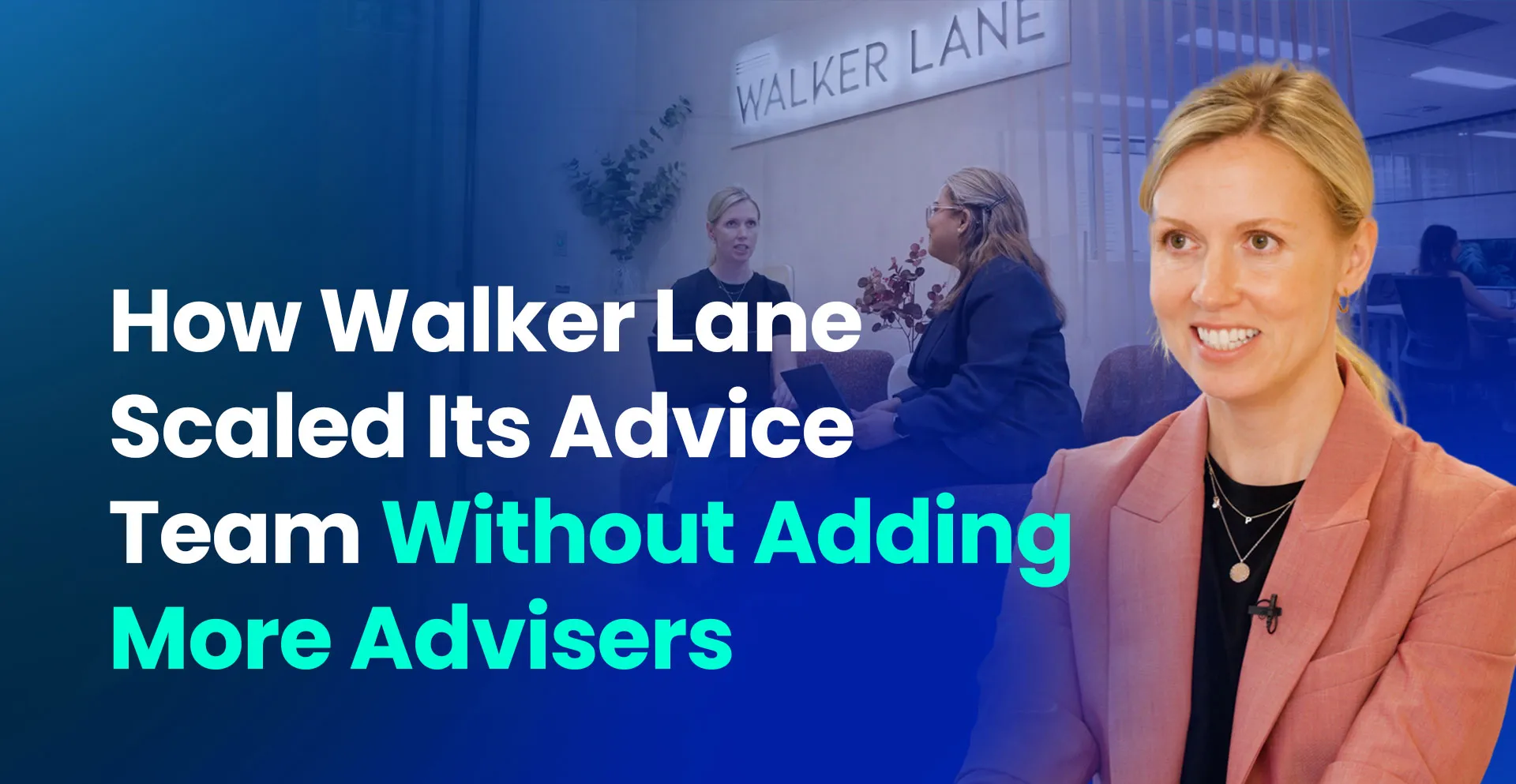
As Patricia Peters, Head of Advice and Paraplanning at Walker Lane, explained in the interview, the goal was not just to teach people to follow instructions, but to help them understand the situation, think critically, and know what good looks like — critical for financial planning operations.
That mindset made the Walker Lane team more capable, more fulfilled, and far easier to scale.
That development only worked because it sat inside a strong support structure. Clear communication, proactive performance coaching, and close collaboration between Walker Lane and VAP's local support team helped turn what could have been a hiring challenge into something far more sustainable — improving operational efficiency.
What surprised the Walker Lane team most wasn't just the output. It was the culture that came with it.
The relationship felt genuine, the trust was real, and the team became embedded in how Walker Lane actually operates day to day.
That is the real takeaway from this story. Walker Lane didn't just add support. They built a workflow model that could absorb growth without putting more pressure back on their advisers.
And when they needed more capacity, they were able to move quickly instead of starting from scratch each time — enabling consistent advice firm growth.
If you want to see how the Walker Lane team built this in practice, you can watch the full interview below: Watch the full Walker Lane testimonial
Watch the Full Episode
If growth is starting to expose pressure in your workflow, this conversation is worth your time.
In this interview, Walker Lane shares how they built a more scalable support structure behind the business — from developing team capability to expanding paraplanning capacity and supporting significantly more output without relying on traditional hiring alone.

.webp)