


Most mortgage brokers don’t have a lead problem , they have a capacity problem.
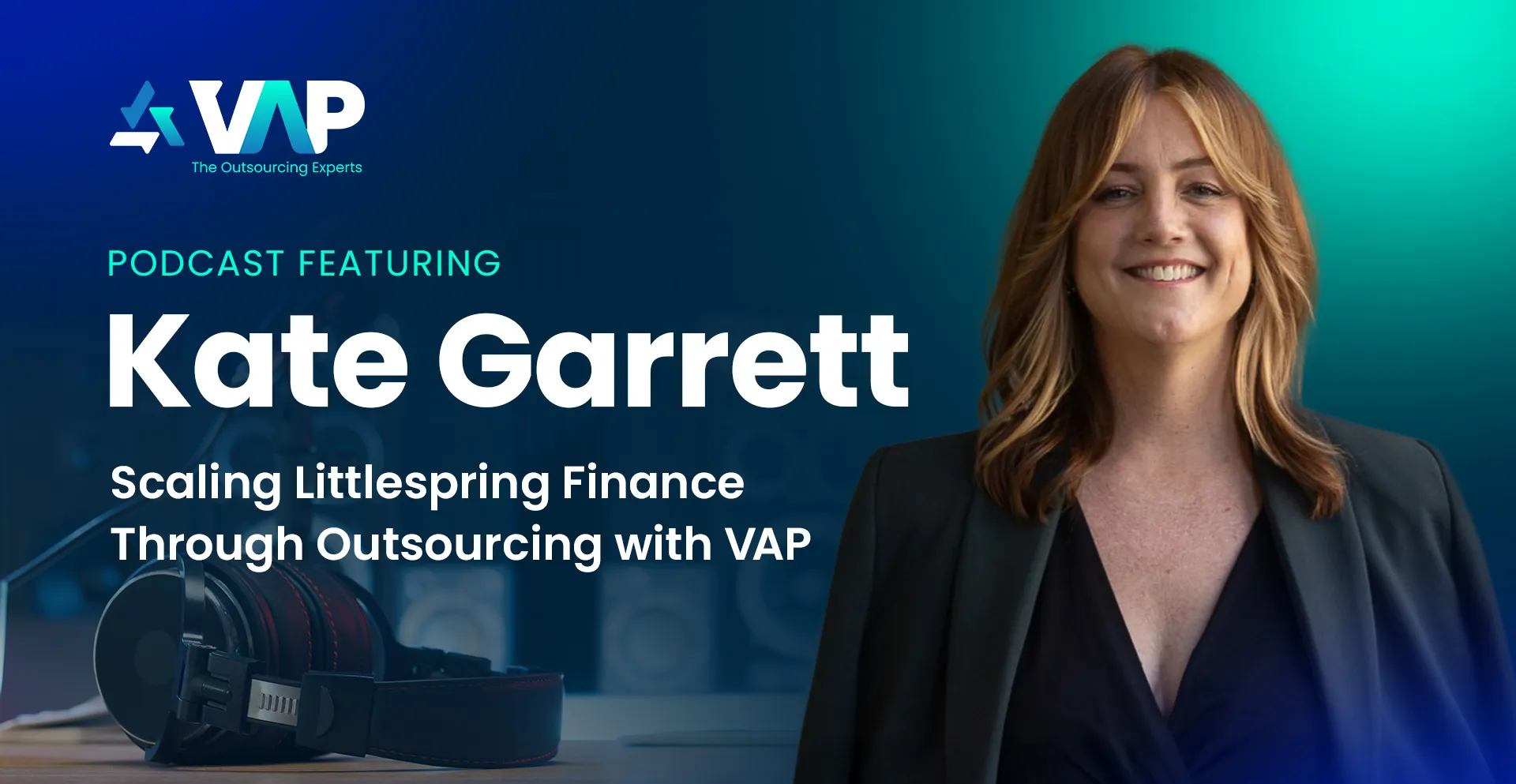
In this episode, Kate Garrett, Director of Littlespring Finance, explains how she increased her brokerage capacity from around 10 deals per month to consistently handling 18–25.
The shift didn’t come from more marketing or longer hours. It came from changing how work flowed through the business and introducing full-time operational support that allowed her to focus on revenue-generating activity.
For brokers approaching their own growth ceiling, her experience highlights a shift that many growing brokerages eventually need to make.
The Capacity Ceiling Most Brokers Eventually Hit
Most brokers reach a point where deal flow increases — but so does pressure.
The issue isn’t finding clients. It’s managing the operational workload that follows.
As files move through the pipeline, brokers often find themselves handling:
- Document collection
- Lender follow-ups
- Application preparation
- File updates
- Settlement coordination
None of these tasks generate revenue directly, but they consume a significant portion of a broker’s time.
Over time, the broker becomes the operational bottleneck inside their own business.
When every file requires the broker’s involvement at multiple stages, growth eventually slows, not because there aren’t enough deals, but because there aren’t enough hours in the day.
Why Part-Time Support Doesn’t Fully Solve the Problem
Many brokers try to solve this problem by bringing in part-time administrative support.
On the surface, it feels like a sensible first step.
But mortgage broking workflows rarely fit neatly into part-time schedules.
Files move constantly throughout the week, and tasks arise at unpredictable moments — lender updates, valuation issues, compliance checks, or missing documentation.
When support is only available part-time:
- Files can stall outside available hours
- Tasks build up between working days
- Brokers step back in to keep deals moving
Instead of removing the bottleneck, the broker often becomes the backup operator whenever the workload spikes.
The real issue isn’t simply having help. It’s having consistent operational coverage.
The Operational Shift That Unlocks Growth
The change that allowed Kate to scale her brokerage was introducing full-time operational support embedded directly into her workflow.
Instead of managing every stage of a deal, the responsibilities became clearly divided.
Broker focus
- Meeting clients
- Structuring deals
- Managing relationships
- Generating new business
Operational support focus
- Preparing applications
- Managing documentation
- Liaising with lenders
- Moving files toward settlement
This shift dramatically changed how work moved through the pipeline.
More deals were able to progress without Kate touching every file.
That single change created the capacity needed to handle nearly double the volume of deals.
The Reality of Training and Onboarding
Operational support doesn’t instantly solve capacity challenges.
In the early stages, brokers must invest time in training and onboarding.
New team members need to learn:
- How files are structured
- How documents are handled
- Lender preferences and submission standards
- Client communication expectations
That means brokers initially spend time explaining systems, processes, and workflows.
But once those foundations are in place, the support structure becomes a true operational extension of the business.
Instead of reacting to every file, the broker begins to operate at a higher level focusing on clients and growth.
The Outcome: More Deals Without Longer Hours
The biggest change wasn’t simply efficiency.
It was confidence in the workflow.
When operational processes run reliably without constant oversight, brokers gain the freedom to focus on the parts of the business that actually drive growth.
That includes:
- Developing referral relationships
- Supporting complex lending scenarios
- Spending more time with clients
- Expanding the brokerage strategically
For Kate, that shift allowed Littlespring Finance to move from around 10 deals per month to consistently handling 18–25.
Not by working longer hours but by changing how work flowed through the business.
The Insight Most Brokers Miss
Brokers don’t scale by doing more deals themselves.
They scale by removing themselves from the file.
When the broker is responsible for every operational step, growth eventually stalls.
But when the workflow is redesigned with the right operational support in place, capacity expands naturally.
The broker stops executing every task and starts leading the business instead.
What the Full Conversation Reveals
This article covers the key operational shift but the full conversation goes much deeper.
In the episode, Kate also shares:
- How daily communication with operational support actually works
- How trust develops over time within the partnership
- What the onboarding process looks like in practice
- Why meeting your offshore team in person can strengthen the relationship
These insights give a clearer picture of how a brokerage support structure functions day-to-day.
Watch the Full Episode
If your brokerage is approaching a capacity ceiling, this conversation is worth your time.
Kate shares the operational changes that helped Littlespring Finance grow from around 10 deals per month to consistently handling 18–25 without increasing her workload.
Watch the full episode here :
.webp)
.webp)
.webp)