
Outsourcing paraplanning in Australia gives financial planning practices dedicated support for research, modelling, draft SOA and ROA preparation, and advice administration. Costs depend on the outsourcing model and level of experience required. The strongest arrangements combine clear workflows, financial planning expertise, structured review, secure systems and ongoing communication with the adviser.
The advice may be ready. Getting it documented is often where capacity gets tight.
Research, modelling, SOAs, ROAs and review all compete for time within a financial planning practice. As advice volumes grow, that documentation workload can become a constraint on how much work the team can move through.
For practices looking to outsource paraplanning in Australia, the decision involves more than finding someone who can prepare an SOA.
You need to understand what the paraplanner will actually do, how work will move between them and your Australian team, what the cost model includes, how client information will be protected, and what realistic production expectations look like.
This guide breaks down each of those considerations so you can assess whether outsourced paraplanning is the right fit for your practice.
What does an outsourced paraplanner do?
An outsourced paraplanner supports the technical and documentation work that sits around the advice process, while working within the practice's established workflows, systems and review requirements.
Depending on their experience and the requirements of the practice, this can include:
- preparing draft Statements of Advice (SOAs) and Records of Advice (ROAs)
- conducting product and strategy research
- completing financial modelling
- assisting with advice document preparation
- maintaining advice records and supporting documentation
- working within the practice's advice software and established processes
VAP's financial planning model, for example, includes paraplanners who support draft SOAs and ROAs, research, modelling and advice documentation.
explore VAP’s paraplanning support → Paraplanning Services page
The role can also develop over time.
A useful example comes from RJC Evans & Co, where an offshore team member developed from broader support work into paraplanning. Rather than expecting technical capability to appear immediately, responsibility increased progressively as skills and confidence developed.
This matters when evaluating outsourced paraplanning services. A practice may need someone capable of technical paraplanning from the beginning, while another may benefit from developing an existing support team member towards more complex advice work.
The starting point should therefore be the work you need completed and the capability required to complete it.
How does paraplanning outsourcing work in practice?
Paraplanning outsourcing works best when the offshore paraplanner becomes part of an established advice workflow rather than receiving isolated documents with limited context.
A practical workflow may look like this:
1. The adviser completes the advice discovery and strategy work.
The practice gathers the required client information and determines the direction of the advice.
2. The file is prepared for paraplanning.
Relevant fact-find information, file notes, research requirements, strategy instructions and supporting documents are made available through the practice's approved systems.
3. The paraplanner completes the assigned technical work.
Depending on the role, this can include research, modelling and preparation of the draft SOA or ROA.
4. The draft returns through the practice's review process.
The adviser or relevant Australian team member reviews the document according to the practice's established approval and compliance procedures.
5. Feedback becomes part of the next piece of work.
Corrections and preferences should feed back into the working relationship so the paraplanner becomes increasingly familiar with the practice's templates, advice style, systems and expectations.
This final step is important.
A dedicated paraplanner in the Philippines supporting an Australian practice can become more effective as they gain context around how that particular practice operates. The relationship can move beyond individual documents towards an ongoing workflow.
Walker Lane provides a practical example.
Its offshore support structure grew over time and eventually included a six-person paraplanning function. One team member began in administration, progressed into simpler advice documents and then moved into more complex SOA work.
The development was supported by clear communication, performance coaching and close collaboration between the Australian practice and VAP.
See how Walker Lane scaled its advice team.
That is a useful distinction when comparing a dedicated paraplanning model with transactional outsourcing. One is built around an ongoing team relationship. The other may primarily be designed around completing individual pieces of work.
What does outsourced paraplanning cost in Australia?
The cost of outsourced paraplanning in Australia depends on how the service is structured, the paraplanner's experience and the level of support required.
This makes it important to distinguish between per-document outsourcing and a dedicated offshore staffing model.
A transactional provider may charge according to individual SOAs, ROAs or other pieces of work. A dedicated offshore model instead provides an ongoing team member who works within the practice's workflow.
The supplied VAP materials do not provide an approved per-SOA or per-ROA price, so practices should avoid treating an individual document fee as directly comparable with the cost of a dedicated paraplanner.
The broader employment economics provide more useful context.
VAP's Ultimate Guide to Hiring Onshore vs. Offshore: Salary, Benefits & Operations Breakdown compares the costs surrounding Australian and Philippine-based roles. It highlights that the comparison extends beyond base salary to areas such as employee benefits, workspace, equipment, payroll, supervision and operational support.
Compare the costs of hiring onshore and offshore.
For planners researching offshore paraplanner Australia cost, the practical questions to ask a provider include:
- Is pricing based on a dedicated team member or individual documents?
- What level of paraplanning experience is included?
- What training is provided?
- Are recruitment and onboarding included?
- Who employs and manages the offshore team member?
- What technology and workplace infrastructure are included?
- What ongoing performance support is provided?
- What security controls sit around client information?
This produces a more meaningful comparison than looking at salary alone.
Two outsourcing options can appear similar on price while providing very different levels of training, infrastructure, security and ongoing support.
How do you maintain quality and compliance?
Quality in outsourced paraplanning depends on the people, workflow, review process and operating environment surrounding the work.
The first consideration is capability.
VAP recruits according to client requirements rather than relying solely on bulk hiring. For technical roles such as paraplanning, the business looks for relevant educational and professional experience before providing further specialisation.
VAP CEO Brian Jones has explained that VAP has seven trainers dedicated to financial planning. Candidates recruited for specialist roles may already have several years of relevant experience before progressing through VAP's training modules.
The second consideration is how quality develops once the paraplanner begins working with the practice.
Clear instructions, established templates, adviser feedback and consistent review help the paraplanner understand what good work looks like for that particular business.
The Australian practice still needs its own appropriate review and approval processes around advice documentation.
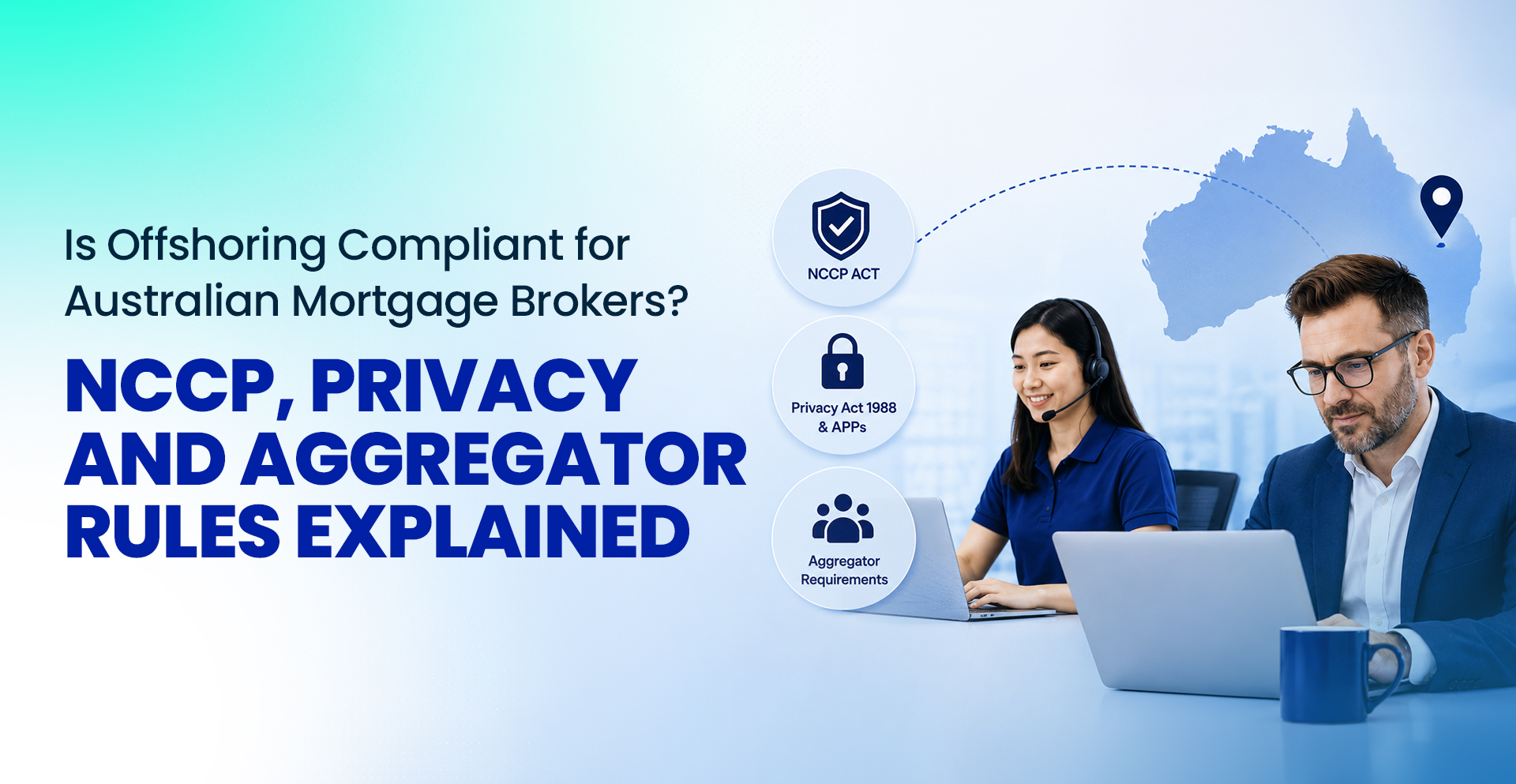
Security is equally important because offshore SOA preparation can involve access to sensitive client and financial information.
VAP's offshore security material recommends controls including company-managed devices, secure cloud platforms, multi-factor authentication, role-based access, encryption, monitoring and logging, and restrictions on local storage and printing.
It also recommends matching access to the security of the working environment. In one framework, personnel operating from secure offices could access full client files and financial modelling tools, while workers in less controlled environments received more restricted access.
For practices assessing an offshore provider, this creates a practical due-diligence question:
Where will the paraplanner actually perform the work, and what controls exist around that environment?
For a deeper assessment of offshore security and governance, VAP and The Cyber Collective's Safe Solutions or Distant Dangers: Reclaiming Security in Offshore Operations covers provider due diligence, access controls, cybersecurity training, risk management and offshore work environments.
[DOWNLOADABLE / WEBFLOW RESOURCE LINK: “explore the security and compliance considerations of offshoring” → Safe Solutions or Distant Dangers: Reclaiming Security in Offshore Operations]
SOA/ROA production and turnaround expectations
There is no single SOA or ROA turnaround timeframe that applies to every outsourced paraplanning arrangement.
Turnaround can depend on the complexity of the advice, completeness of the client file, research and modelling required, review requirements and how efficiently work moves between the adviser and paraplanner.
Practices should therefore establish turnaround expectations as part of the workflow.
Before outsourcing, define:
- what constitutes a complete paraplanning handover
- how new work enters the queue
- how priorities are assigned
- who reviews draft documents
- how amendments are communicated
- how incomplete information is handled
- how urgent work is prioritised
A good measure of success is therefore not simply how quickly the first SOA comes back. Look at whether the practice can build reliable production capacity over time.
Walker Lane demonstrates what that can look like.
Its offshore team grew from an initial small setup into a larger structure that included six people in paraplanning. Within a year, the team had quadrupled its workload and dramatically increased monthly SOA production.
The capability was developed progressively rather than expecting every team member to handle complex advice immediately.
This is an important expectation to set when outsourcing paraplanning.
Early work often involves learning the practice's systems, templates, terminology, review preferences and processes. As those become familiar, the workflow can become more consistent.
That is why turnaround should be evaluated alongside accuracy, rework, production capacity and the amount of adviser intervention required.
A fast draft that repeatedly comes back for correction does little to solve the original capacity problem.
Why financial planners choose VAP for paraplanning
Financial planning practices generally consider offshore paraplanning because they need more capacity without continually adding pressure to their Australian advice team.
VAP approaches that through dedicated offshore team members who work within the client's business rather than operating solely as a document production service.
The distinction begins with recruitment.
VAP recruits according to the requirements of the individual client. For paraplanning roles, that can mean looking for candidates with relevant business or legal education and prior experience before providing further training around the client's specialisation.
Training continues after recruitment.
VAP has a dedicated financial planning training team, and its model includes ongoing development rather than expecting the Australian practice to build capability entirely from scratch.
That approach can also create a pathway for team members to take on more complex work.
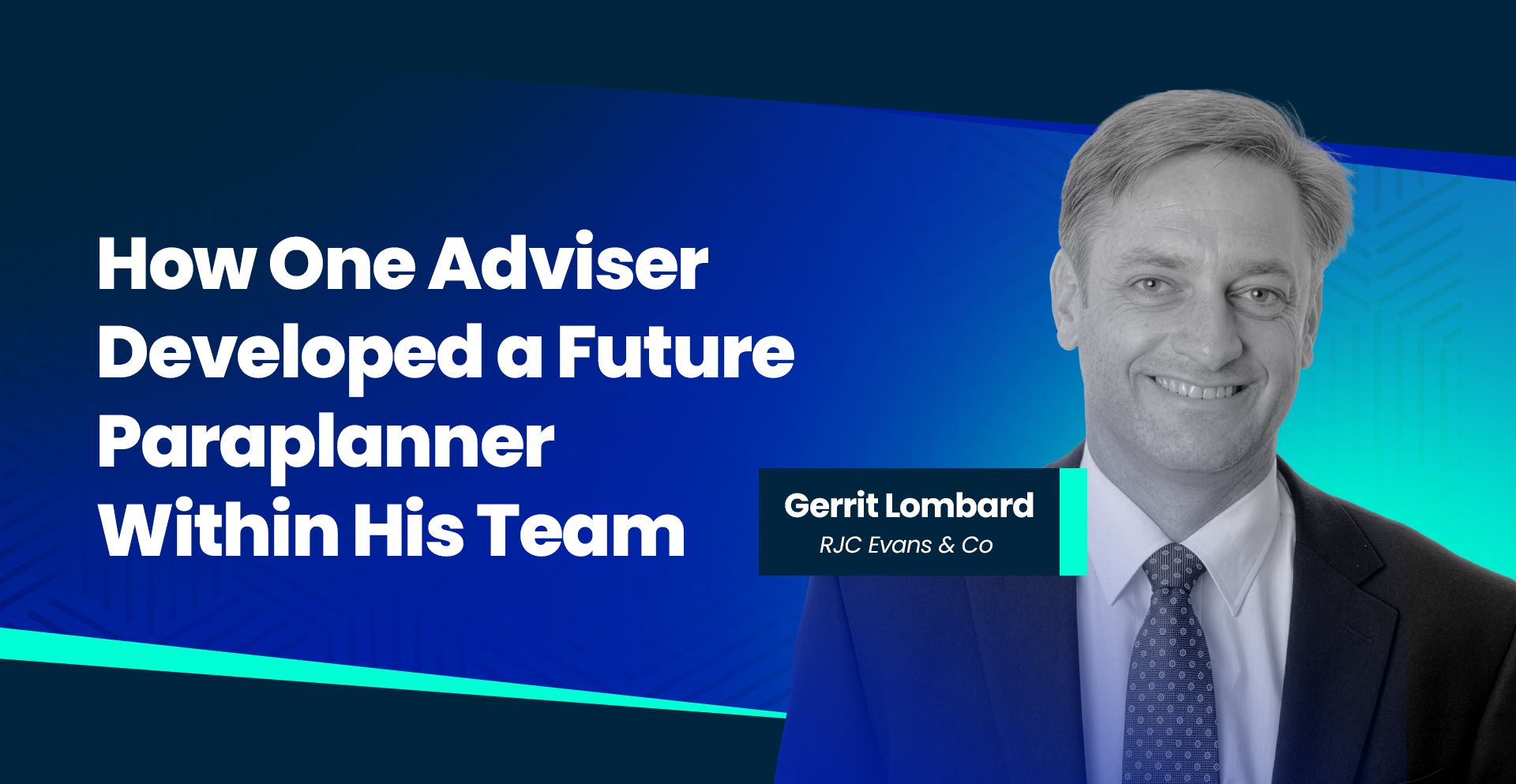
The story of Gerrit Lombard and his team shows how structured development can help an existing offshore professional progress towards paraplanning responsibilities.
See how one adviser developed a future paraplanner within his team.
Walker Lane demonstrates the model at a larger scale. Its paraplanning capability expanded as the business grew, ultimately supporting substantially more advice production without simply adding more advisers.
For practices evaluating outsourcing, those examples highlight an important point.
The goal is not simply to move SOA preparation somewhere cheaper.
The stronger opportunity is to build a paraplanning function that becomes familiar with your systems, processes and standards, develops capability over time and creates additional capacity for the Australian team.
That is where a dedicated offshore model can differ materially from buying paraplanning one document at a time.
Ready to Explore Outsourced Paraplanning?
If SOA and ROA preparation is taking capacity away from your advice team, speak with a VAP Financial Planning Expert about your paraplanning requirements and where dedicated offshore support could fit within your practice.
Book a Meeting With a VAP Financial Planning Expert